CRM vs ERP Nairobi: Which System Fits Your Business?
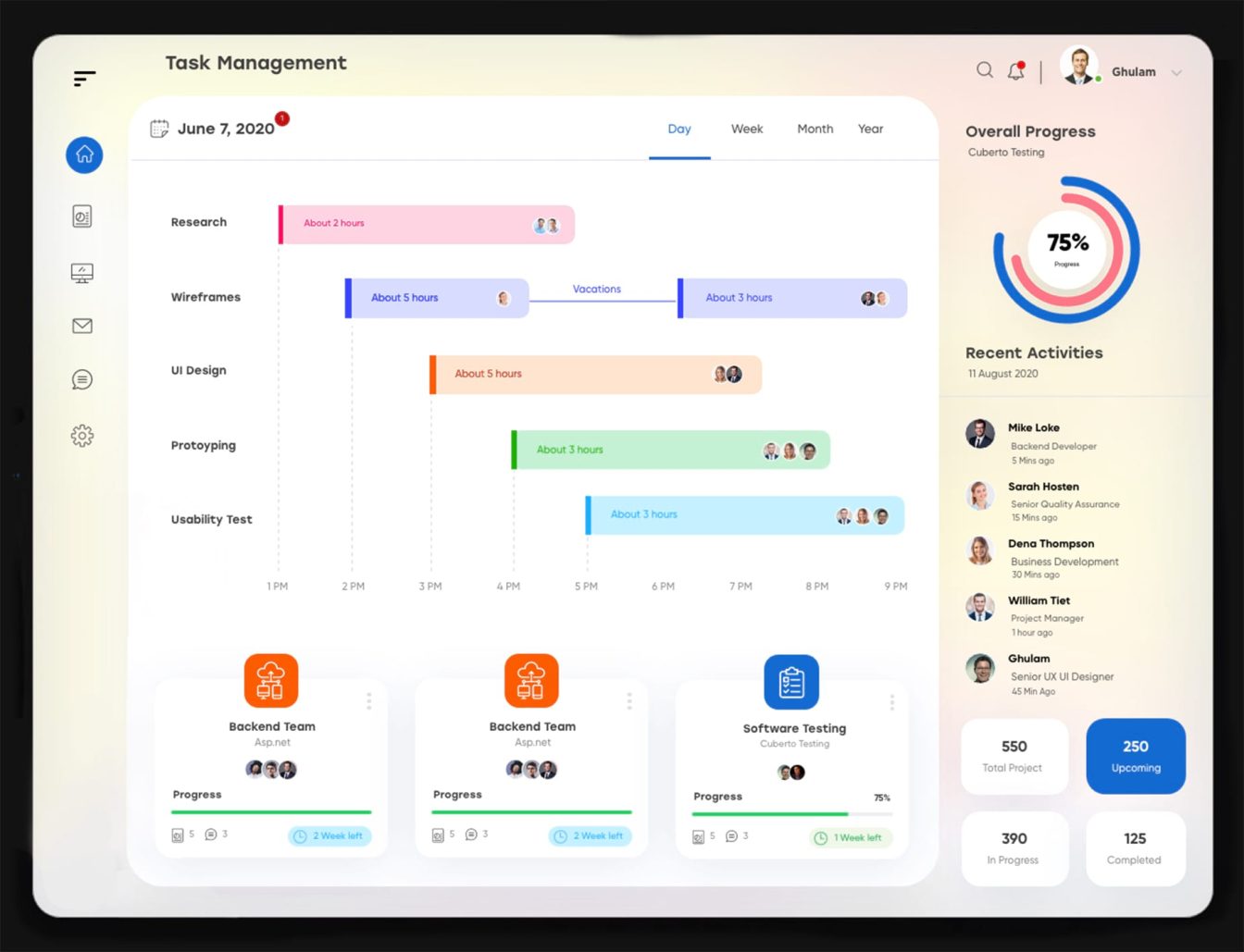
Running a business in Nairobi today requires more than just hard work—it requires smart systems that improve efficiency and decision-making. Two of the most common tools companies consider are Customer Relationship Management (CRM) and Enterprise Resource Planning (ERP). The big question for many owners is: in the debate of CRM vs ERP Nairobi, which one does your business really need?
Understanding CRM
CRM systems focus on customer relationships. They track sales leads, manage client interactions, and support marketing campaigns. For Nairobi businesses, a CRM helps boost sales, improve customer service, and generate insights that support better decision-making. If your main challenge lies in attracting and retaining clients, CRM is often the best choice.
Understanding ERP
ERP systems streamline core operations like finance, inventory, HR, and supply chain. By centralizing these processes, ERP reduces costs and improves productivity. For Nairobi SMEs handling multiple functions, ERP offers better visibility, stronger internal collaboration, and more efficient resource management.
The Key Differences
-
CRM drives customer growth and satisfaction.
-
ERP improves internal efficiency and cost control.
-
CRM suits businesses focused on sales and marketing.
-
ERP suits those managing complex operations.
Which One to Choose?
Your decision depends on your pain points. If sales growth and customer engagement are the priority, CRM delivers the fastest results. If operational efficiency and resource control matter most, ERP provides greater value. Many Nairobi businesses benefit from integrating both, gaining a full picture of customers and operations.
Conclusion
The debate of CRM vs ERP Nairobi comes down to business priorities. Choosing the right system—or combining both—can help your company grow sustainably in Nairobi’s competitive market.